
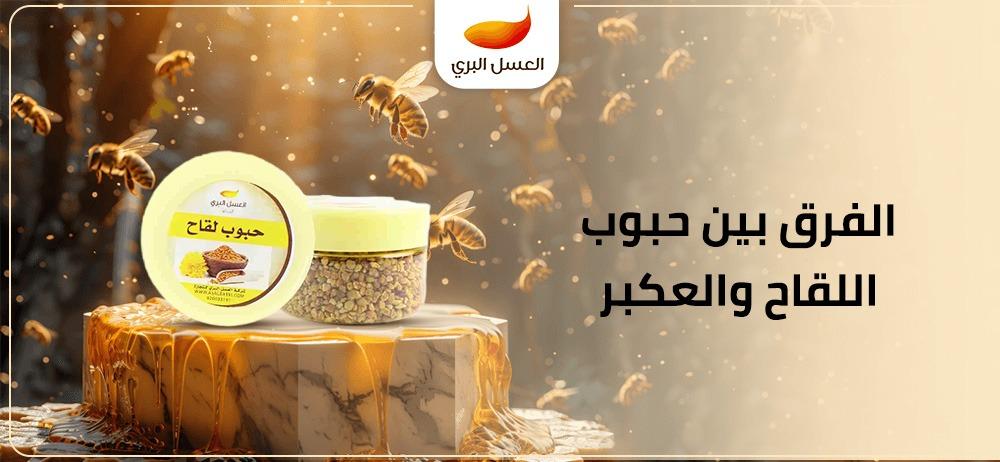
Bee products are numerous, and are not limited to honey only, but there are also pollen, bee bread, propolis, royal jelly, and other bee products. In this article, we specifically discuss the difference between pollen and propolis by defining each of them and learning about the nutritional value and health benefits to form a complete picture of them and know the differences.
The difference between pollen and propolis
Pollen and propolis are natural products rich in nutrients and provide various health benefits to the body, but the difference between pollen and propolis lies in the shape, composition, health properties, and benefits of each. In general, pollen has a better nutritional value than propolis as it is rich in proteins, fats, and carbohydrates. In addition, pollen has a low acidity, while propolis has a somewhat pungent taste. On the other hand, propolis has a greater ability to combat infection than pollen. Therefore, you can choose between them according to your taste preference, or according to your needs.
What is propolis?
Propolis, bee glue, or propolis are all names for a sticky, acidic substance secreted by bees that hardens to protect their hives. Propolis does not contain bee pollen; it is different from honeycomb, honey, or royal jelly, which all contain pollen. The ingredients and compounds found in propolis vary depending on where the product comes from. If you have propolis from a certain region, it will have a different chemical composition than propolis from other regions.
Propolis typically contains resin, wax, oil, amino acids, vitamins B, C and E, minerals, flavonoids, sugars and phenols. It is also a good source of antioxidants.
What are the health benefits of propolis?
To know the difference between pollen and propolis, we must know the benefits of each. There are many health benefits of propolis, the most prominent of which are the following:
- Propolis has cleansing properties that help maintain the immune system and support healthy levels of bacteria in the body.
- Propolis has been used for skin since ancient times, as it helps support natural wound healing. It also contains a compound that can support and regenerate the skin if it has been cut, scratched or burned.
- Propolis contains an amount of antioxidants that help protect the body from oxidative stress by limiting the effects of free radicals that cause cell damage and many diseases.
- Propolis has antiseptic properties that fight bacteria that cause tooth decay, which is why some people use it as a mouthwash.
- Propolis helps promote healthy metabolic function because it maintains healthy blood pressure and cholesterol levels. It also maintains normal blood sugar levels in the body, and when these functions work properly, they certainly help improve the overall health of the body and protect against various diseases. This is due to the high content of polyphenols in propolis, which supports healthy metabolic function.
Get 80g of liquid propolis to get its many benefits for the body.


What is pollen?
Pollen is another product of bees, it is a plant extract that bees obtain from the flowers whose nectar they feed on, then they store the pollen in specific places on the stem in order to use it to feed the young bees after it goes through several processes. It is worth noting that pollen is responsible for the process of reproduction between plants, as bees transfer it from male plants to female plants, thus fertilization and flowering occur.
The difference between pollen and propolis in terms of nutrients is not great, as pollen, like propolis, contains vitamins, minerals, carbohydrates, proteins and fats that are important for the body. The composition of pollen also varies depending on the source of the pollen and the place where the bee that made the pollen lives.
Health benefits of pollen
Pollen is highly nutritious and has many health benefits for the body:
- Pollen also helps support the immune system, thanks to its various cleansing properties.
- It gives the body high levels of energy, which is why most athletes use it to obtain various nutrients that provide the body with energy and support muscle performance and endurance.
- Pollen is used as a great nutritional supplement as it is rich in vitamins, minerals and compounds that are important for the health of the body.
- It has a large amount of antioxidants that protect the body from free radicals and their harmful effects on the body.
- It contributes to supporting the immune system.
After learning about the benefits of propolis and the benefits of pollen, it becomes clear to us that the difference between pollen and propolis in terms of benefits is not big. Therefore, you can use whatever tastes you prefer. But the important thing is to buy from a reliable source to ensure that the products are healthy and free of any contaminants, so we recommend the Wild Honey Store to get the finest bee products.
Buy now pollen 40 grams from the wild honey store.


How to use propolis
Propolis comes in several forms, including liquid form, which you can take as a nutritional supplement or use as a mouthwash to treat gum infections and eliminate tooth decay. You can also use it as an ointment on the skin to speed up the healing of burns and wounds. The daily dose of liquid propolis for adults ranges from 400-500 milligrams. As for the permissible amount of propolis for use as a mouthwash and in ointments, please consult your doctor to determine the appropriate dose for the condition.
How to use pollen
Pollen also comes in several forms such as grains, tablets and powder, and can be used like honey by adding it to natural juices, or adding a spoonful of it to a cup of yogurt or a cup of warm milk, or sprinkling it on fruits and baked goods, and it is also used in salads. As for the safe daily dose of pollen, it is one teaspoon, and it is preferable to take it in the morning.
Side effects of propolis
Despite the many health benefits of propolis, it may cause some side effects such as allergies, especially for those who suffer from honey or pollen allergies. It is also advisable to consult a doctor if a person suffers from any health condition to ensure that propolis is safe for them and to prescribe the appropriate amount. In general, bee products should not be consumed in excess.
side effects of pollen
Pollen has many benefits for the body, but on the other hand, pollen also causes harm to some people, especially those who suffer from honey allergies or allergies to any bee products. Therefore, it is best to consult a doctor to determine whether it is suitable for you or not and what is the appropriate amount, but in general, you should not overeat pollen.
After learning about the side effects of propolis and the side effects of pollen, it becomes clear to us that the difference between pollen and propolis in terms of side effects is not big. Rather, both have harmful effects, so they should be used with caution, and they should also be purchased from places that provide them with high quality, such as the Wild Honey Store .
Frequently Asked Questions
Why do bees make propolis?
Bees produce propolis to protect the hive from external pollutants, fungi, viruses and bacteria. It is a sticky substance that acts as a natural antibiotic and seals unwanted cracks and openings in the hive.
How important is pollen to bees?
Pollen is as important to bees as it is to humans. It provides bees with vitamins, minerals, over 30 enzymes and amino acids, as well as trace elements and other nutrients that are important for the growth of young bees.
In short, the difference between pollen and propolis in terms of benefits is not great, but the difference between them is clear in terms of form. Pollen usually comes in the form of pills, tablets or powder, while propolis is a sticky liquid substance and also comes in the form of fossilized gum.
the reviewer:
You may also like: